OCD, Obsessive Compulsive Disorder, is generally a two part mental disorder involving intrusive thoughts and compulsions.
OCD begins with intrusive thoughts. The intrusive thoughts are the “obsession” part of OCD, and can lead one to feel fear, disgust, anxiety, guilt or other distressing emotions. The intrusive thoughts or “obsessions” are typically not desired by an individual but they are incapable of controlling them In order to relieve oneself from these distressing feelings, individuals sometimes develop “compulsions.”
Compulsions are the part of OCD, which are defined as physical or cognitive behaviors that are performed most often in a ritualistic, routine way in order to relieve oneself from the distressing feelings brought on by the obsessions. These compulsive behaviors tend to relieve the stress or anxiety temporarily and will begin again when the intrusive thoughts enter one’s mind again. Patients therefore end up in a looping pattern, performing their compulsive behavior over and over again due to the repetitive intrusive thoughts.
Do you think you have OCD? Where are you on the Obsessive-Compulsive Scale?
The staff at TMS of South Tampa will get in touch with you shortly thereafter regarding your screening.
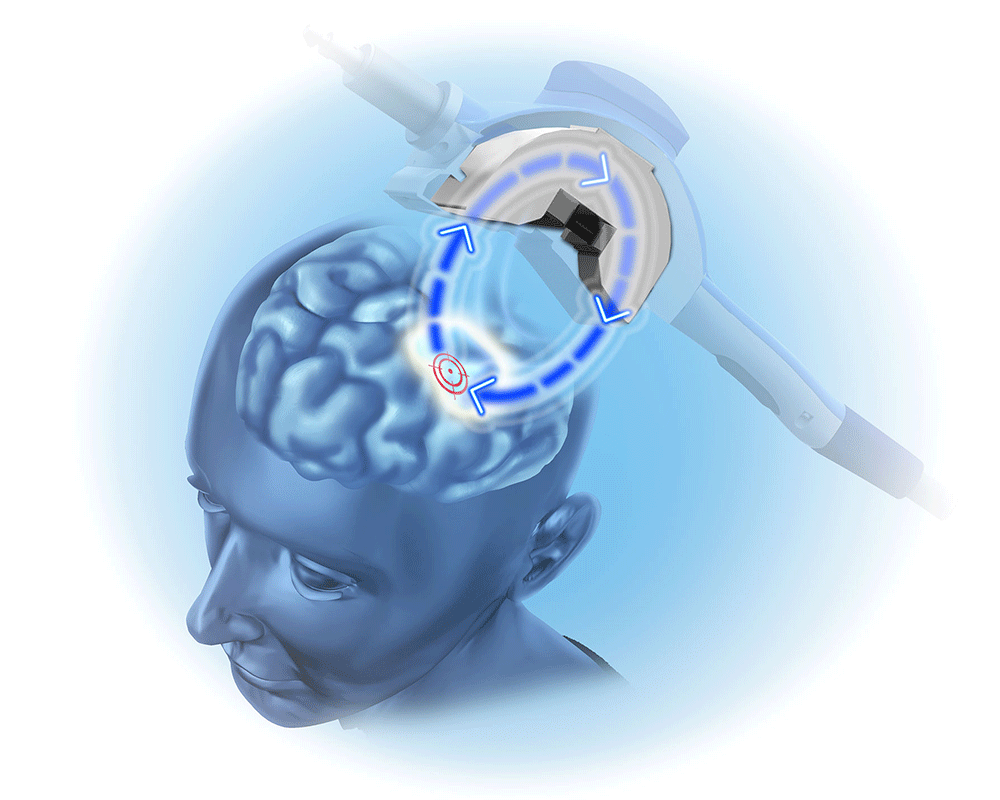
TMS is a groundbreaking treatment that uses magnetic technology, similar in strength to an MRI machine, to stimulate underactive brain cells in the mood control center. This magnetic stimulation helps restore certain neurochemicals back to normal levels. The treatment specifically targets the neurocircuitry in the brain which are known to be particularly affected by OCD. TMS for OCD is non-invasive, requires no anesthesia and is an outpatient procedure.
Transcranial magnetic stimulation (TMS) is FDA-cleared as a first-line adjunctive treatment for depression in adolescents ages 15–18.
Dr. Kenneth Pages also evaluates carefully selected younger adolescents (ages 12–14) for TMS when clinically appropriate, with full parental involvement and shared decision-making.
If you are a parent or referring clinician interested in learning whether TMS may be an option, we invite you to contact our office for a consultation.
Prism therapy offers an evidence-based approach designed to help individuals suffering from post-traumatic stress disorder (PTSD) regain control and improve quality of life.
Dr. Kenneth Pages provides personalized evaluations and tailored Prism treatment plans for patients experiencing PTSD symptoms, ensuring compassionate care throughout the recovery process.
If you or a loved one is struggling with PTSD, we encourage you to reach out to our office for more information and to schedule a consultation.